How Fashion Brands Build Loyal Communities
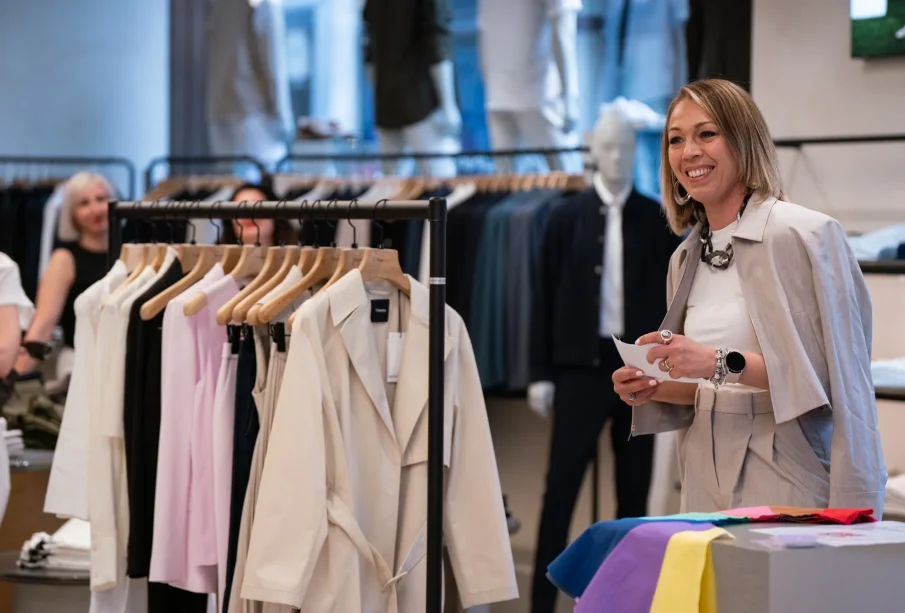
Fashion brands that thrive over the long term rarely rely on products alone. They create belonging. Loyal communities transform customers into advocates, collaborators, and repeat buyers who actively shape a brand’s identity. This shift from transactional selling to relationship building is now central to modern fashion success.
Below is a structured look at how leading fashion labels cultivate communities that sustain engagement, trust, and long-term loyalty.
Why Community Matters More Than Ever in Fashion
Community is no longer a marketing add-on. It is a strategic advantage.
Strong brand communities help fashion companies:
- Increase repeat purchases through emotional connection
- Encourage organic word-of-mouth promotion
- Reduce dependence on paid advertising
- Generate user-created content at scale
- Build resilience during market changes
When customers feel seen and represented, they stay longer and participate more actively.
Defining a Clear Brand Identity First
Communities do not form around products alone. They form around shared values.
Fashion brands that build loyalty typically communicate a clear identity such as:
- sustainability and ethical sourcing
- body positivity and inclusivity
- performance and athletic empowerment
- street culture authenticity
- craftsmanship and heritage storytelling
Consistency across messaging, visuals, and experiences helps audiences recognize what the brand stands for and decide whether they belong.
Creating Two-Way Conversations Instead of One-Way Campaigns
Modern fashion communities grow through dialogue rather than broadcasting.
Successful brands invite participation through:
- comment engagement on social platforms
- customer polls on future collections
- open feedback loops after product launches
- interactive live sessions with designers
This participation makes customers feel like contributors rather than spectators.
Leveraging Social Platforms as Community Spaces
Social platforms are where most fashion communities first take shape.
Brands strengthen loyalty by:
- spotlighting customer stories
- reposting user styling content
- hosting styling challenges
- encouraging behind-the-scenes access
These strategies shift visibility from brand voices alone to community voices collectively.
Turning Customers Into Co-Creators
One powerful loyalty driver is shared ownership of the creative process.
Fashion brands increasingly involve audiences in:
- voting on colorways
- selecting limited edition drops
- naming capsule collections
- contributing styling inspiration
Participation strengthens attachment because customers feel their influence is visible in final outcomes.
Hosting Physical and Digital Experiences
Events transform passive audiences into active communities.
Examples include:
- pop-up stores with interactive installations
- styling workshops
- customization sessions
- local meetups
- digital livestream launches
Experiences allow members to interact not only with the brand but also with each other, strengthening shared identity.
Rewarding Loyalty Beyond Discounts
Discounts alone rarely build lasting attachment. Recognition does.
Effective loyalty strategies include:
- early access to product releases
- exclusive community-only collections
- private styling previews
- ambassador opportunities
- recognition through featured content
These signals communicate appreciation rather than simple transaction incentives.
Supporting Shared Values Through Action
Customers increasingly evaluate brands based on what they do, not what they say.
Community trust grows when brands:
- publish transparent sourcing practices
- collaborate with local creators
- support social initiatives aligned with their audience
- highlight real customer stories rather than staged campaigns
Authentic alignment between promise and practice strengthens credibility.
Encouraging User-Generated Content as Social Proof
Community storytelling builds legitimacy faster than brand messaging.
Fashion brands often amplify loyalty by encouraging customers to share:
- outfit styling posts
- product reviews
- transformation journeys
- event participation moments
Featuring this content publicly makes customers feel visible and valued.
Building Micro-Communities Instead of One Massive Audience
Large audiences do not always translate into strong loyalty.
Leading brands create smaller interest-based groups such as:
- running clubs
- campus ambassador circles
- sustainability forums
- styling collectives
- creator partnerships
Micro-communities foster deeper relationships and stronger participation.
Maintaining Consistency Across Every Touchpoint
Community trust grows through reliability.
Consistency should appear across:
- customer service tone
- packaging experience
- website storytelling
- retail environment
- social messaging
Every interaction reinforces whether customers feel aligned with the brand’s culture.
Measuring Community Strength the Right Way
Community success is not measured only by follower counts.
More meaningful indicators include:
- repeat purchase frequency
- event participation rates
- customer content submissions
- ambassador retention
- organic referrals
These signals reveal whether audiences are engaged or simply observing.
Conclusion
Fashion brands that invest in community building shift their role from seller to facilitator of shared identity. By inviting participation, recognizing contributions, and aligning with audience values, brands create ecosystems where customers stay connected long after their first purchase. Loyalty then becomes a natural outcome rather than a forced strategy.
Frequently Asked Questions
What makes a fashion community different from a regular customer base
A community involves interaction between members, shared identity, and participation in brand activities, while a typical customer base focuses mainly on purchasing behavior.
How do small fashion brands start building communities with limited budgets
They can begin by engaging directly on social platforms, highlighting customer stories, organizing small local meetups, and encouraging styling participation through user content.
Are offline events still important for fashion community building
Yes. Physical interactions create stronger emotional connections and deepen trust between members and the brand.
How do fashion brands maintain community engagement after product launches
They sustain engagement through storytelling, styling inspiration, member features, and ongoing conversations rather than limiting communication to sales announcements.
Can influencer collaborations strengthen brand communities
Yes, when influencers genuinely reflect brand values and already connect with the target audience, they help extend community trust rather than replace it.
What role does transparency play in building loyalty communities
Transparency builds credibility. Customers are more likely to stay connected when they understand sourcing practices, pricing logic, and brand intentions.
How long does it take for a fashion brand community to grow meaningfully
Community growth is gradual. With consistent engagement and authentic communication, brands typically begin seeing strong participation patterns within one to two years.