
The QR Code Elevator at Genting and What It Says About Modern Travel Security
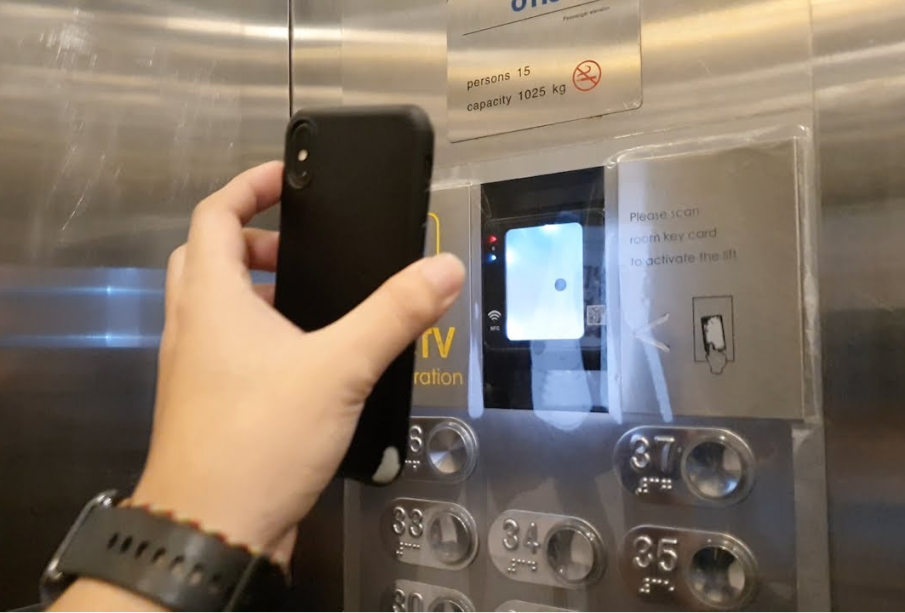
A hotel elevator that requires a QR code to operate might sound like the kind of security feature that belongs in a spy thriller. At Genting Highlands, it is simply a matter of how the building works. Rehan Azhar’s vlog captured this detail in passing, but it sparked a thread of conversation in the community that went well beyond the mechanics of getting to your floor.
The system works exactly as it sounds. Guests receive a QR code when they check in. That code is required to use the elevator. It is assigned per person, not per room, so you cannot scan once and bring three people with you. The code expires the moment you check out. No lingering access, no sharing with visitors who did not book a room, no workarounds.
From a hospitality security standpoint, this is close to airtight. The property at Genting is not a small boutique hotel where staff know every guest by face. It is a massive residential and hotel complex handling enormous daily foot traffic from tourists, residents, food delivery workers, Grab drivers, and everyone else moving through a destination of that scale. Managing that kind of flow without a robust access system would be genuinely chaotic.
What made it interesting to Rehan’s community was the contrast with what most Pakistani travelers experience at home and abroad. Hotel security in the region often relies on key cards, lobby staff recognition, or, in many cases, nothing more formal than social trust. A biometric-adjacent system that ties access to individual identity and auto-expires on departure feels like a different generation of thinking about guest management.
One community member pointed out the practical anxiety this creates when technology inevitably fails at the worst moment — the hypothetical of being locked out of your floor at 2 am with a dead phone battery generated genuine sympathy. That is not a flaw unique to Genting’s system, but it is the kind of edge case that comes with any tech-dependent solution. The more a building relies on digital infrastructure, the more uncomfortable its failure modes become.
The system also protects guests from one another in ways older hotel security cannot. In a complex with thousands of rooms and constant movement, the QR code model creates a meaningful barrier between paying guests and anyone who simply wanders in off the street. For solo travelers or families, that kind of passive security offers real value, even if most guests never consciously think about it.
The broader takeaway from this detail in Rehan’s coverage is that the infrastructure gap between Southeast Asian hospitality and what Pakistani travelers encounter at comparable price points back home is growing. It is not just about aesthetics or service quality. It is about the operational systems running underneath the experience. The elevator at Genting is small, but small things can add up to a very different kind of trip.
Pakistan’s hospitality sector has been developing steadily, and domestic tourism infrastructure has improved significantly over the past decade. But moments like the QR code elevator remind traveling Pakistanis that certain baseline expectations around tech integration in hospitality are still catching up. That is not a criticism — it is context that Rehan’s community clearly finds useful and honest.


