
Spin Studio Singapore: Pre Ride Meals and Recovery Fuel
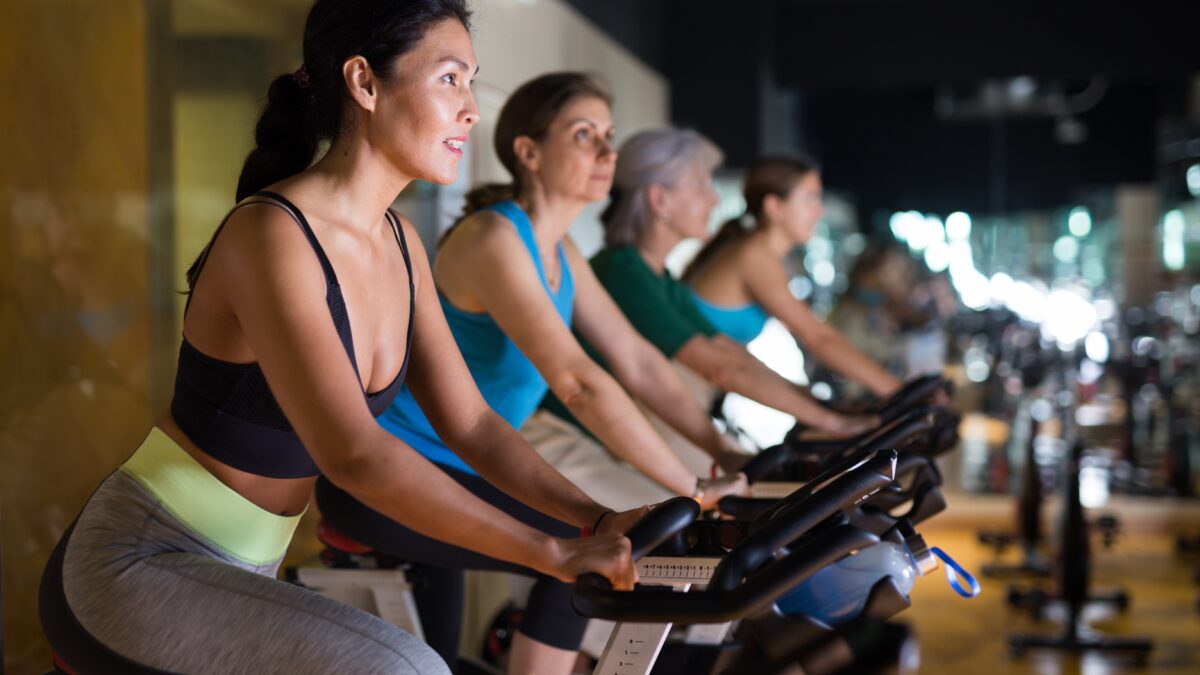
Fuel choices can make or break a spin session. Many riders focus on cadence, resistance, and effort, yet overlook what they eat before and after class. In Singapore’s humid climate, nutrition plays an even bigger role in energy levels, hydration, and recovery. Eating too little can leave you dizzy mid ride, while eating the wrong foods can cause discomfort and poor performance. A well planned approach around your spin studio singapore routine helps you ride stronger, recover faster, and stay consistent without guesswork.
This article breaks down practical, real life nutrition strategies for spin classes, based on timing, intensity, and everyday Singapore eating habits.
Why spin nutrition needs a different approach
Spin classes are typically high sweat, moderate to high intensity, and time efficient. This combination increases fluid loss and carbohydrate demand compared to slower paced workouts.
Spin specific nutrition needs include:
-
Quick digesting energy
-
Adequate hydration and electrolytes
-
Easy recovery without heavy meals
-
Flexible options for busy schedules
The goal is not perfect eating, but reliable fuel that supports performance and comfort.
Understanding energy demands during spin
Spin relies heavily on carbohydrates for energy, especially during intervals and climbs. Fat also contributes, but carbohydrate availability largely determines how strong you feel.
During a typical class:
-
Heart rate stays elevated for long periods
-
Muscles rely on stored glycogen
-
Sweat loss is significant
-
Recovery starts immediately after class ends
This makes timing and food choice more important than calorie counting.
Pre ride meals based on class timing
When you eat should depend on when your class starts. The closer you are to class time, the lighter and simpler the food should be.
General timing guide:
-
2 to 3 hours before class: balanced meal
-
60 minutes before class: light snack
-
30 minutes before class: small, fast digesting option
Matching food size to timing reduces stomach discomfort during the ride.
Morning spin and fasted considerations
Many riders attend early morning classes before work. Some prefer fasted rides, while others need fuel to perform well.
If riding fasted:
-
Keep intensity moderate
-
Hydrate well before class
-
Eat soon after finishing
If fueling lightly:
-
A banana
-
A small slice of toast
-
A few dates
-
A glass of milk or soy milk
Listen to how your body responds rather than forcing a trend.
Lunchtime spin and workday energy
Midday classes are popular in Singapore’s CBD areas. Fuel needs to support both the ride and the rest of the workday.
Effective lunchtime strategies include:
-
Light carb based snack before class
-
Balanced lunch after riding
-
Avoiding heavy, oily foods immediately post class
This keeps energy stable without afternoon crashes.
Evening spin and digestion balance
Evening classes help release stress but can interfere with sleep if nutrition is poorly managed.
Helpful evening fuel tips:
-
Eat a small snack before class if lunch was early
-
Avoid large meals within one hour before riding
-
Focus on recovery foods that are easy to digest
-
Limit caffeine late in the day
The goal is recovery without heaviness.
Best pre ride food choices for spin
Pre ride foods should be familiar, easy to digest, and carbohydrate focused.
Reliable options include:
-
Bananas or apples
-
Oats with honey
-
Rice cakes with peanut butter
-
Yogurt with fruit
-
Toast with jam
Avoid foods that are very high in fat or fibre right before class.
Foods to avoid before spin class
Certain foods increase the risk of discomfort during rides.
Common triggers include:
-
Fried foods
-
Heavy curries
-
Large portions of dairy for sensitive individuals
-
Very spicy meals
-
High fibre vegetables in large amounts
Even healthy foods can be problematic if timing is wrong.
Hydration needs in Singapore’s climate
Sweat loss during spin classes in Singapore can be substantial. Hydration is as important as food.
Hydration basics:
-
Drink water throughout the day
-
Sip water 30 to 60 minutes before class
-
Take small sips during the ride
-
Rehydrate after class
Clear or pale yellow urine is a simple hydration indicator.
When electrolytes are useful
Electrolytes replace sodium and minerals lost through sweat. Not every session requires them, but they can help in certain situations.
Electrolytes are useful when:
-
You sweat heavily
-
Classes exceed 45 minutes
-
You experience cramps or headaches
-
You ride multiple days in a row
Choose low sugar options to avoid stomach upset.
Post ride recovery and muscle repair
Recovery begins as soon as the class ends. Post ride nutrition supports muscle repair, energy replenishment, and immune health.
Key recovery components:
-
Carbohydrates to restore glycogen
-
Protein to support muscle repair
-
Fluids to replace sweat loss
You do not need supplements if meals are balanced.
Protein needs after spin classes
Spin is primarily cardiovascular, but it still stresses muscles, especially the legs.
Post ride protein options include:
-
Eggs
-
Greek yogurt
-
Tofu or tempeh
-
Lean meats or fish
-
Protein enriched smoothies
Aim for a moderate protein intake rather than excessive amounts.
Realistic recovery meals in Singapore
Recovery meals should fit local food culture and schedules.
Practical options include:
-
Rice with grilled chicken and vegetables
-
Noodles with lean protein and soup
-
Smoothies with fruit and protein
-
Toast and eggs for late evening rides
Convenience matters for consistency.
Managing appetite after intense rides
Some people feel very hungry after spin, while others lose appetite temporarily.
Helpful strategies include:
-
Eating something small even if appetite is low
-
Avoiding binge eating later at night
-
Planning meals in advance
-
Staying hydrated to avoid mistaking thirst for hunger
Consistency stabilises appetite over time.
Weight management and spin nutrition
Spin supports weight management, but extreme restriction can backfire.
Balanced approaches include:
-
Fueling workouts adequately
-
Adjusting portion sizes outside training
-
Prioritising protein and fibre across the day
-
Avoiding using spin as punishment for eating
Sustainable habits produce better results than aggressive restriction.
Recovery for back to back spin days
If you attend spin classes frequently, recovery nutrition becomes more important.
Support frequent training by:
-
Increasing carbohydrate intake slightly
-
Ensuring daily protein consistency
-
Sleeping adequately
-
Hydrating beyond workout hours
These habits reduce fatigue accumulation.
Supplements and spin training
Most spin riders do not need supplements if diet is balanced.
Common unnecessary supplements include:
-
Fat burners
-
Excessive pre workouts
-
High dose stimulants
Whole foods remain the most reliable option.
Listening to personal tolerance
Nutrition is individual. Foods that work for one rider may not suit another.
Signs your nutrition needs adjustment:
-
Frequent dizziness
-
Stomach discomfort during class
-
Unusual fatigue
-
Poor recovery between sessions
Small changes often solve these issues.
Integrating nutrition with structured spin routines
Nutrition works best when aligned with training structure. Balanced meals support both performance and enjoyment.
Studios such as TFX Singapore encourage consistent spin routines that pair well with simple, sustainable fueling habits rather than extreme diets.
Building long term habits around spin
The best nutrition plan is one you can repeat weekly.
Long term success comes from:
-
Simple food choices
-
Flexible timing
-
Listening to body signals
-
Avoiding rigid rules
Spin training becomes more enjoyable when fuel supports rather than complicates it.
Real life FAQs
Should I eat before every spin class?
Most people benefit from at least a small snack, especially for moderate to high intensity classes.
Is it okay to do spin on an empty stomach?
Some can, but intensity may need to be lower. Post ride nutrition becomes more important.
Do I need protein shakes after spin?
Not necessarily. Whole foods provide sufficient protein for most riders.
What if I feel nauseous during class?
This often relates to food timing or hydration. Try lighter snacks or more time between eating and riding.
How much water should I drink after spin?
Drink gradually until thirst subsides and urine colour returns to light yellow.
Can spin help improve eating habits?
Yes. Regular training often increases awareness of food quality and timing.
What is the biggest nutrition mistake spin riders make?
Underfueling before class, which leads to poor performance and excessive hunger later.
With thoughtful pre ride and recovery nutrition, spin training becomes more productive, comfortable, and sustainable. When food supports effort rather than working against it, riders feel stronger, recover better, and stay consistent over the long term.


