
The Future of Technology in 2026: Trends Transforming the Digital World
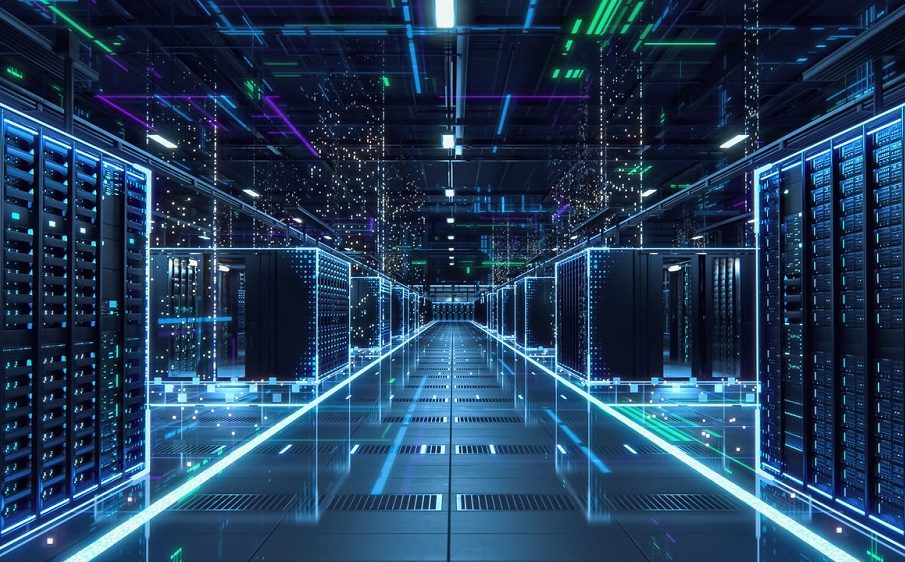
Technology continues to reshape how people live, work, communicate, and build businesses. In 2026, innovation is moving faster than ever, driven by advances in artificial intelligence, computing infrastructure, sustainability-focused engineering, and immersive digital environments. This article explores the most important developments shaping the present and near future of the tech landscape.
Artificial Intelligence Becoming a Core Infrastructure Layer
Artificial intelligence has shifted from experimental adoption to becoming an operational backbone across industries. Instead of isolated tools, organizations now integrate AI directly into workflows, decision-making systems, and customer experiences.
Key developments include:
- Real-time predictive analytics supporting business strategy
- Automated document processing in finance and legal sectors
- AI-driven personalization in education and healthcare
- Smart assistants embedded across productivity platforms
Enterprises increasingly rely on AI to improve efficiency, reduce operational costs, and enhance user engagement. As models become more accurate and accessible, AI is transitioning from a competitive advantage into a standard expectation.
Edge Computing Enabling Faster Data Processing
Edge computing processes information closer to the source instead of relying entirely on centralized cloud systems. This reduces latency and improves responsiveness for time-sensitive applications.
Industries benefiting from edge computing include:
- Autonomous transportation systems
- Smart manufacturing environments
- Healthcare monitoring devices
- Retail analytics platforms
With billions of connected devices generating continuous streams of data, localized processing helps organizations respond instantly while maintaining efficiency and security.
Quantum Computing Advancing Complex Problem Solving
Quantum computing is progressing steadily from theoretical research toward practical applications. Although still emerging, it has the potential to transform fields that depend on large-scale calculations.
Expected impact areas include:
- Drug discovery simulations
- Climate modeling accuracy
- Cryptographic security research
- Financial risk optimization
Organizations are already investing in hybrid computing models combining classical and quantum systems to prepare for future breakthroughs.
Cybersecurity Evolving for a Hyperconnected Era
As digital systems expand, cybersecurity strategies are becoming more proactive and intelligent. Traditional perimeter-based defenses are being replaced by continuous monitoring frameworks.
Modern cybersecurity approaches emphasize:
- Zero-trust authentication environments
- Behavioral anomaly detection
- AI-assisted threat response
- Secure identity management systems
Organizations are shifting from reactive protection to predictive defense mechanisms capable of identifying risks before damage occurs.
Sustainable Technology Driving Green Innovation
Sustainability is becoming a central priority across the technology sector. Companies are redesigning infrastructure to reduce energy consumption while improving performance.
Major developments include:
- Low-power semiconductor manufacturing
- Renewable-powered cloud facilities
- Circular electronics production models
- Energy-efficient AI training systems
Green technology investments are no longer optional initiatives. They are essential components of long-term digital infrastructure planning.
Human Technology Interfaces Becoming More Natural
Technology interaction methods are evolving beyond keyboards and touchscreens. Natural interfaces are transforming how users communicate with digital systems.
Emerging interface trends include:
- Voice-first productivity environments
- Gesture-based device control
- Augmented reality collaboration tools
- Early-stage brain-computer interface experimentation
These developments aim to reduce friction between humans and machines while improving accessibility and efficiency.
The Expanding Role of Cloud Native Platforms
Cloud-native development is becoming the standard architecture approach for modern software systems. Instead of building large monolithic applications, organizations now design flexible and scalable digital services.
Benefits of cloud-native environments include:
- Faster deployment cycles
- Improved system reliability
- Automatic scalability
- Efficient infrastructure utilization
This shift enables companies to innovate faster while adapting quickly to changing market conditions.
Data Becoming the Primary Strategic Asset
Data is now one of the most valuable resources in the digital economy. Organizations increasingly rely on advanced analytics platforms to extract meaningful insights from large datasets.
Important capabilities include:
- Real-time operational intelligence
- Customer behavior modeling
- Predictive maintenance analytics
- Supply chain optimization
Companies that effectively manage and interpret data are better positioned to compete in rapidly evolving markets.
Conclusion
Technology in 2026 is defined by intelligent automation, decentralized processing, sustainable engineering practices, and immersive interaction systems. As innovation accelerates, businesses and individuals must adapt continuously to remain effective in a digitally connected environment. Understanding these trends helps organizations prepare for the next phase of technological transformation.
Frequently Asked Questions
1. What industries are most affected by current technology trends
Healthcare, finance, manufacturing, education, and logistics are experiencing rapid transformation due to artificial intelligence, automation, and connected infrastructure systems.
2. How does edge computing improve performance compared to traditional cloud computing
Edge computing reduces the distance data must travel, allowing faster processing speeds and lower latency for real-time applications such as smart devices and industrial automation.
3. Is quantum computing ready for everyday commercial use
Quantum computing is still developing but is already being tested in specialized environments where complex simulations and optimization tasks are required.
4. Why is sustainability becoming important in technology development
Energy consumption from large computing infrastructure continues to grow, making efficient hardware design and renewable-powered data centers essential for long-term environmental balance.
5. What role does cybersecurity play in digital transformation
Cybersecurity protects sensitive data, ensures system reliability, and supports trust in digital platforms that organizations depend on for operations and communication.
6. How are natural interfaces improving user experience
Voice commands, gesture recognition, and immersive environments allow people to interact with technology more intuitively, reducing learning curves and increasing productivity.
7. What skills are becoming valuable in the modern technology landscape
Data analysis, cloud architecture understanding, cybersecurity awareness, and familiarity with artificial intelligence tools are increasingly important across technical and non-technical professions.


